A periodontal abscess is a pocket of pus in the tissues of the gum. It looks like a small red ball pushing out of the swollen gum. An abscess can occur with serious gum disease (periodontitis), which causes the gums to pull away from the teeth. This leaves deep pockets where bacteria can grow.
An antimicrobial is an agent that kills microorganisms or stops their growth. Antimicrobial medicines can be grouped according to the microorganisms they act primarily against. For example, antibiotics are used against bacteria, and antifungals are used against fungi.
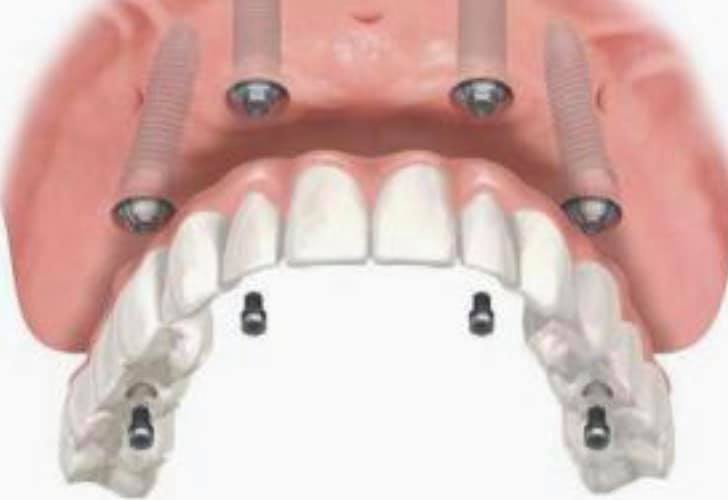
Smile in a day (sometimes referred to as teeth in a day or all-on-4) replaces your teeth (or dentures) with a fully fixed in bridge secured by a minimum of four dental implants. It is the closest you can get to a full set of natural teeth and has a wide range of benefits.
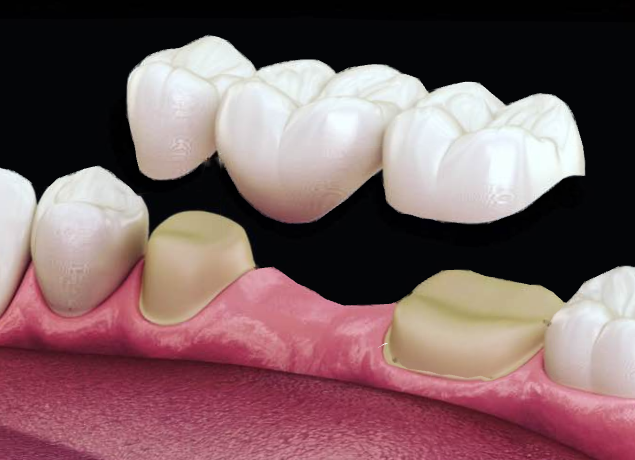
If you have missing teeth, your dentist can close — or bridge — the gaps in your smile with dental bridges. A dental bridge is a false tooth (called a pontic) that is held in place by the abutment teeth on either side of the gap. Although pontics can be made from a variety of materials such as gold, typically they’re made from porcelain to aesthetically blend in with your natural teeth.
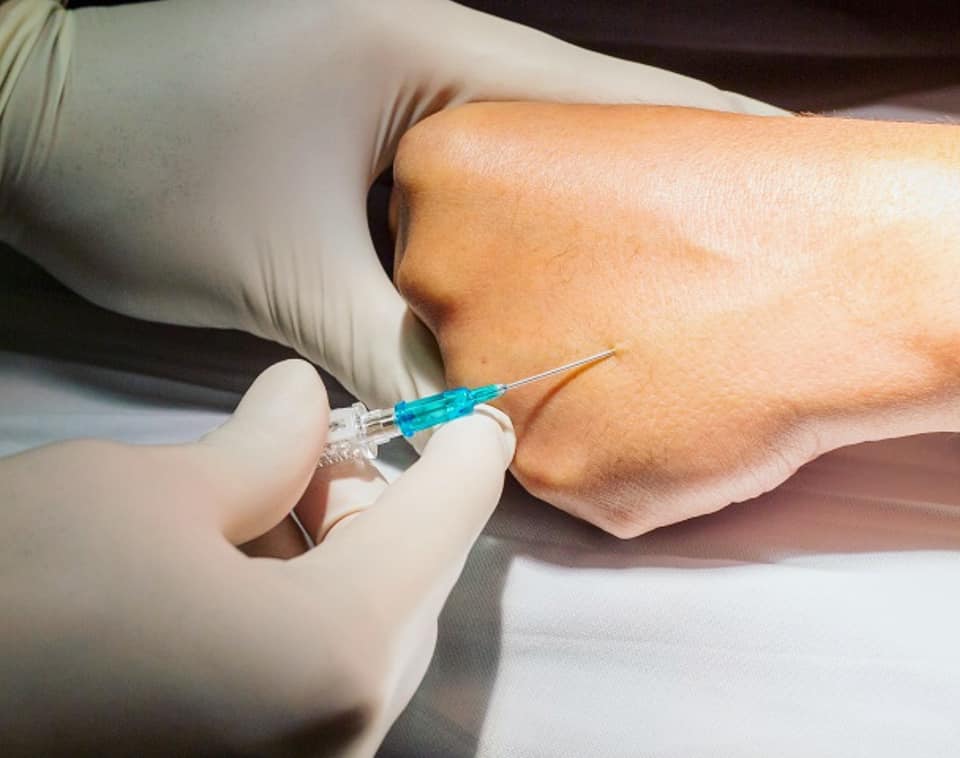
IV sedation dentistry works as a form of conscious sedation to help you feel relaxed during your appointment. This method does not put you fully to sleep, but it does make you less aware of your surroundings — including anything the dentist may or may not be doing to your mouth. That means you can still respond to verbal commands or gentle nudging, and you should not need help breathing. Unlike other forms of sedation that are inhaled (like nitrous oxide) or taken in pill form, the dentist administers the sedation intravenously, which means through your vein.
IV sedation provides several benefits:
It starts working quickly, and you feel minimal to no pain during the procedure. The dentist can monitor your vitals and easily adjust the dosage. It creates a long period of amnesia, so you won’t remember the procedure at all when you wake up. It allows you to cooperate for a more extended period, so your dentist can perform multiple procedures with only one appointment.
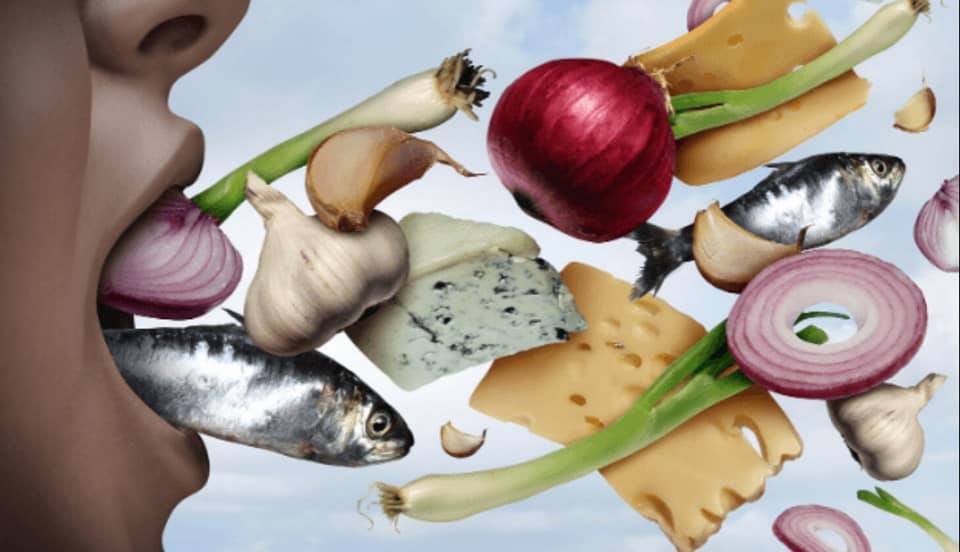
Onions and garlic are probably the most common and most well-known instigators of bad breath, or halitosis, but there are others. The issue with foods like onions and garlic is that they contain pungent oils that get carried through your bloodstream to your lungs.
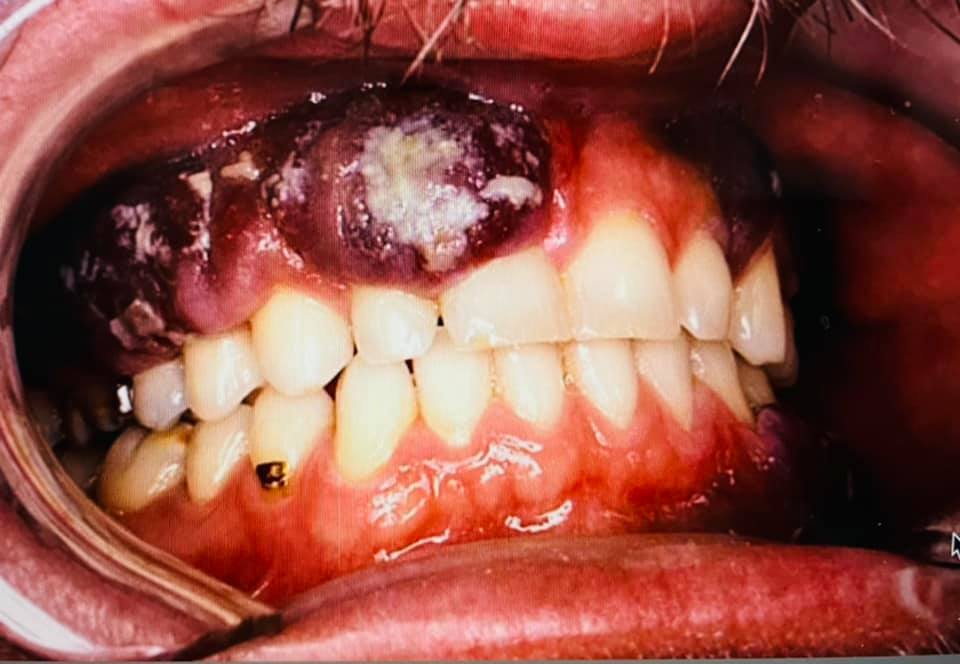
Kaposi’s sarcoma (KS) is a type of cancer that can form masses in the skin, in lymph nodes, in the mouth, or in other organs. The skin lesions are usually painless, purple and may be flat or raised. Lesions can occur singly, multiply in a limited area, or may be widespread. Depending on the sub-type of disease and level of immune suppression, KS may worsen either gradually or quickly. KS is caused by a combination of immune suppression (such as due to HIV/AIDS) and infection by Human herpesvirus 8 (HHV8 – also called KS-associated herpesvirus (KSHV)). Happy Monday.
Place your toothbrush at a 45-degree angle to the gums. Gently move the brush back and forth in short (tooth-wide) strokes. Brush the outer surfaces, the inner surfaces, and the chewing surfaces of the teeth. To clean the inside surfaces of the front teeth, tilt the brush vertically and make several up-and-down strokes.
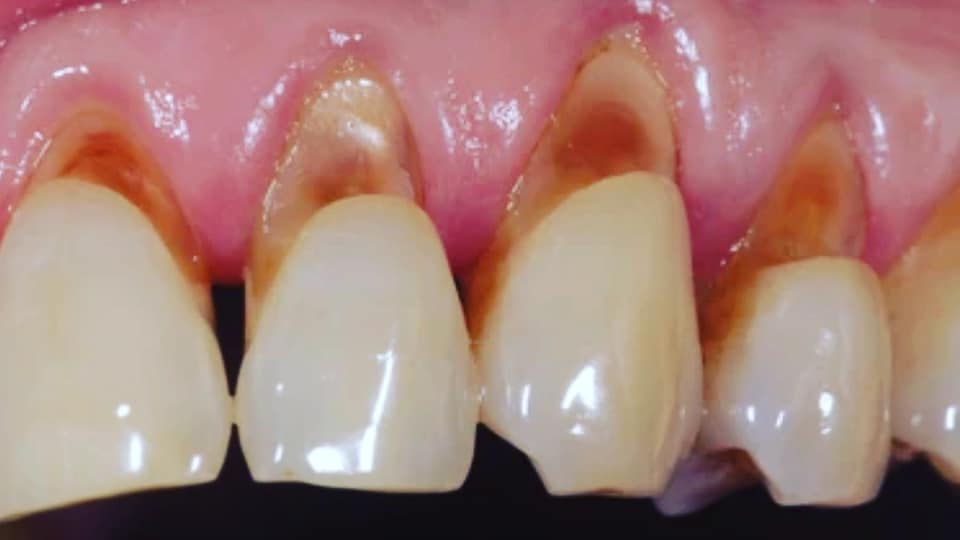
Tooth brushing is the most common cause of dental abrasion, which is found to develop along the gingival margin, due to vigorous brushing in this area. The type of toothbrush, the technique used and the force applied when brushing can influence the occurrence and severity of resulting abrasion.
Dental attrition is the loss of tooth structure or tissue caused by tooth-on-tooth contact. Although this type of tooth wear is considered part of the normal aging process, more rapid dental attrition may be due to larger dental problems.