
Recent research from Henry Goldman’s School of Dental Medicine at Boston University found that drinking coffee regularly can actually help reverse the effects of gum disease while reducing the risk of getting gum disease to begin with.
Dr. Banić

High quality dental care
Recent research from Henry Goldman’s School of Dental Medicine at Boston University found that drinking coffee regularly can actually help reverse the effects of gum disease while reducing the risk of getting gum disease to begin with.
Dr. Banić

We are ready to present a scientific poster 💙🖤🤍💙🖤🤍
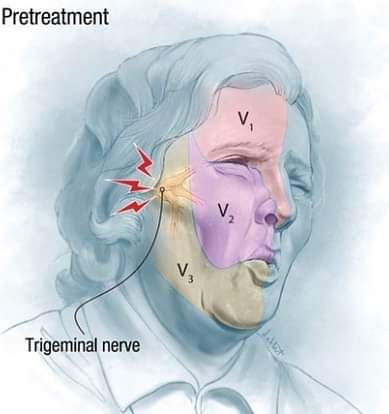
The main symptom of trigeminal neuralgia is sudden attacks of severe, sharp, shooting facial pain that last from a few seconds to about 2 minutes. The pain is often described as excruciating, like an electric shock. The attacks can be so severe that you’re unable to do anything while they’re happening.
Dr. Banić

Happy weekend 🌸🌸🌸🌸💕💕💗💗💗

Happy weekend my lovely insta friends 🥰🥰.
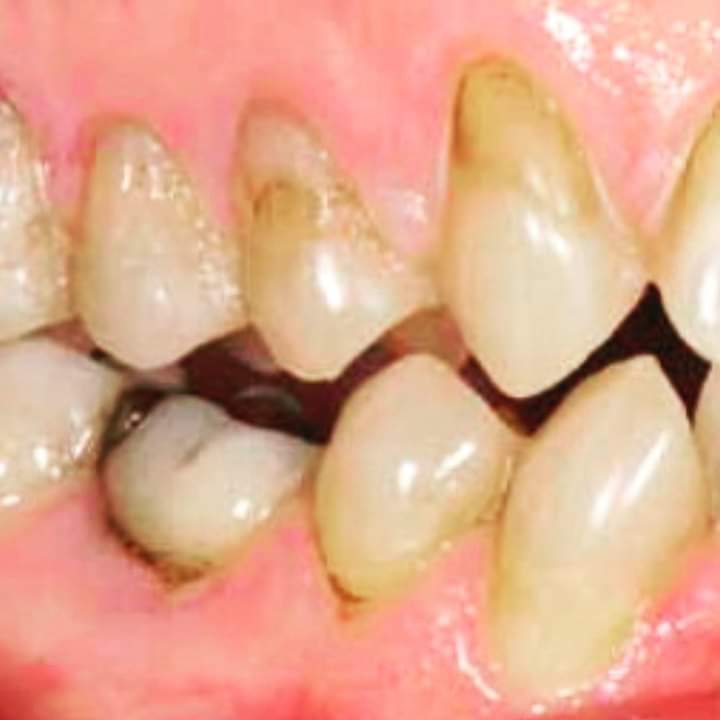
Although swimmers may not sense the low pH, it may lead to tooth dissolution. The dental literature suggests that pool water with a low pH can cause very rapid and extensive dental erosion [5, 7, 8]. Therefore, intensive swimming should be considered a causative factor when diagnosing general dental erosion.
Dr. Banić

Beautiful spring vibes at the practice 💛💛💛💛💛💚💚💚💚💚

Tooth sensitivity is among the common causes of a toothache. The phrase “tooth sensitivity” refers to tooth discomfort or feelings of toothache in one or more teeth. The pain of tooth sensitivity is usually sharp, sudden and shooting. Tooth sensitivity occurs when the layer of a tooth underneath the enamel (called the dentin) or the layer covering the root (called cementum) is exposed along the gum line due to receding gums. The exposed areas respond to hot and cold, and sometimes too sweet and spicy foods, and trigger pain.
Some factors which can contribute to tooth sensitivity include:
Overzealous brushing: You can have too much of a good thing. Brushing your teeth with too much force, or with a hard-bristle toothbrush, may wear down tooth enamel, expose the cementum or dentin and cause tooth sensitivity.
Tooth grinding: Grinding your teeth can cause the enamel to wear away and leave the dentin exposed.
Dental cleanings or treatments.
Temporary tooth sensitivity: which can occur after a professional teeth-whitening treatment, but usually goes away shortly after the procedure ends.
Gum disease: Inflamed gum tissue pulls away from the tooth, leaving vulnerable areas exposed..
Dr. Banić
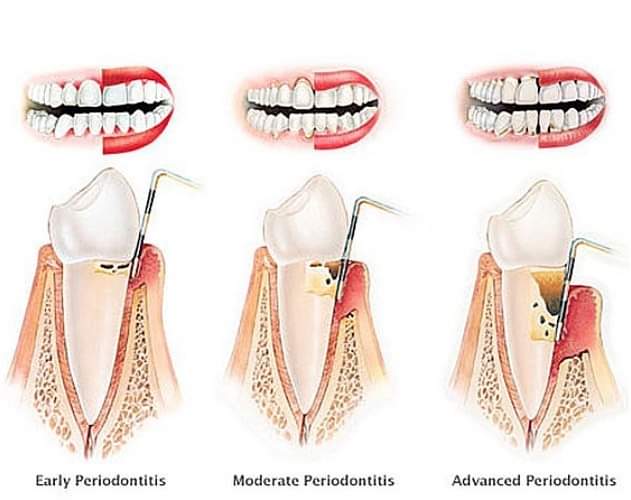
Symptoms of gum disease include bleeding gums, swollen gums and bad breath.
Brushing your teeth twice a day and flossing regularly can help gum disease. A dental hygienist may need to thoroughly clean your teeth.
Gum disease is caused by a build-up of a sticky substance called plaque on your teeth. This can happen if you do not brush our teeth regularly.
Dr. Banić

Localized Aggressive Periodontitis, also known as LAP, is a rare type of inflammatory periodontal disease. It is defined by its ability to progress at a rapid rate, severe bone and attachment loss, specifically on the first molars and incisors. The disease is also marked by an early age of onset.
Dr. Banić