
What Causes Sensitive Teeth?


Tooth sensitivity is among the common causes of a toothache. The phrase “tooth sensitivity” refers to tooth discomfort or feelings of toothache in one or more teeth. The pain of tooth sensitivity is usually sharp, sudden and shooting. Tooth sensitivity occurs when the layer of a tooth underneath the enamel (called the dentin) or the layer covering the root (called cementum) is exposed along the gum line due to receding gums. The exposed areas respond to hot and cold, and sometimes too sweet and spicy foods, and trigger pain.

Some factors which can contribute to tooth sensitivity include:

Overzealous brushing: You can have too much of a good thing. Brushing your teeth with too much force, or with a hard-bristle toothbrush, may wear down tooth enamel, expose the cementum or dentin and cause tooth sensitivity.

Tooth grinding: Grinding your teeth can cause the enamel to wear away and leave the dentin exposed.

Dental cleanings or treatments.

Temporary tooth sensitivity: which can occur after a professional teeth-whitening treatment, but usually goes away shortly after the procedure ends.

Gum disease: Inflamed gum tissue pulls away from the tooth, leaving vulnerable areas exposed..

Dr. Banić
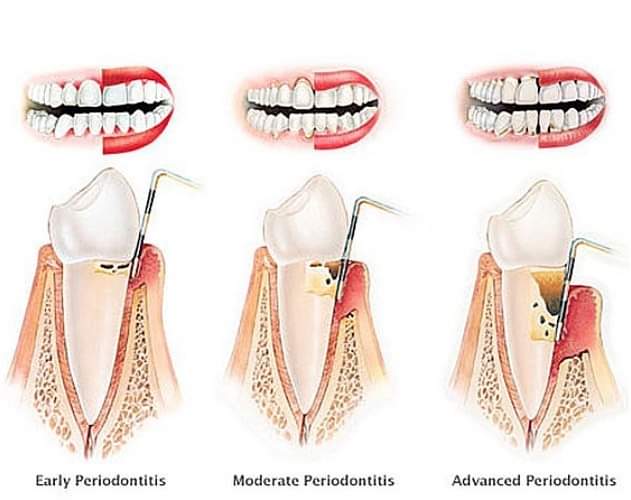
Symptoms of gum disease

Symptoms of gum disease include bleeding gums, swollen gums and bad breath.


Brushing your teeth twice a day and flossing regularly can help gum disease. A dental hygienist may need to thoroughly clean your teeth.


Gum disease is caused by a build-up of a sticky substance called plaque on your teeth. This can happen if you do not brush our teeth regularly.

Dr. Banić

Localized Aggressive Periodontitis (LAP)

Localized Aggressive Periodontitis, also known as LAP, is a rare type of inflammatory periodontal disease. It is defined by its ability to progress at a rapid rate, severe bone and attachment loss, specifically on the first molars and incisors. The disease is also marked by an early age of onset.

Dr. Banić

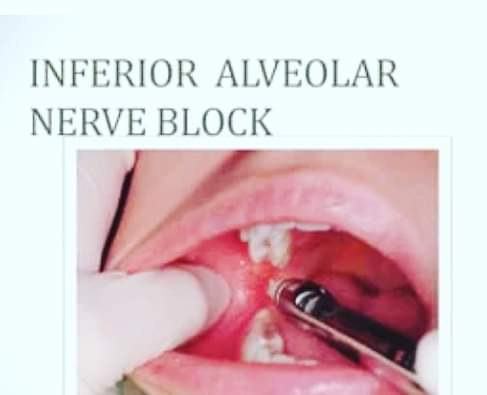
Inferior alveolar nerve block

The most important clinical landmarks used in the location of the inferior alveolar nerve block are the coronoid notch and the pterygomandibular raphe. The preferred site of needle insertion lies between these two landmarks and the point of insertion is determined by simple measurements.

Dr. Banić

Toothbrush

When it comes to a toothbrush, a smaller head is actually better. A smaller head is able to navigate the tight spaces in your oral cavity. Molars may not get a thorough cleaning with a standard toothbrush head because of the restricted space in the back of the mouth. Happy Friday 💙💙.

My day off

Good morning is my day off. I had a nice morning tennis session. I believe spring is coming 💙🌸💙🌸💙.

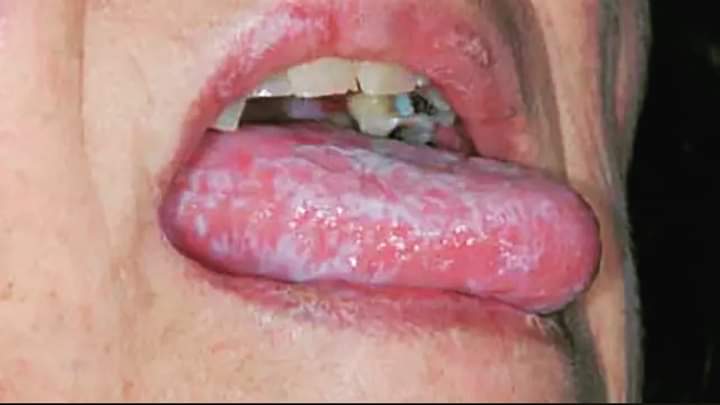
Oral lichen planus and Leukoplakia

These two disorders are very different:

Oral lichen planus: Oral lichen planus results in white, lacy, thread-like lesions or bright red gum tissue. The cause isn’t fully understood, but there may be a connection to autoimmune diseases.

Leukoplakia: Leukoplakia results in thick, white patches.

Dr. Banić

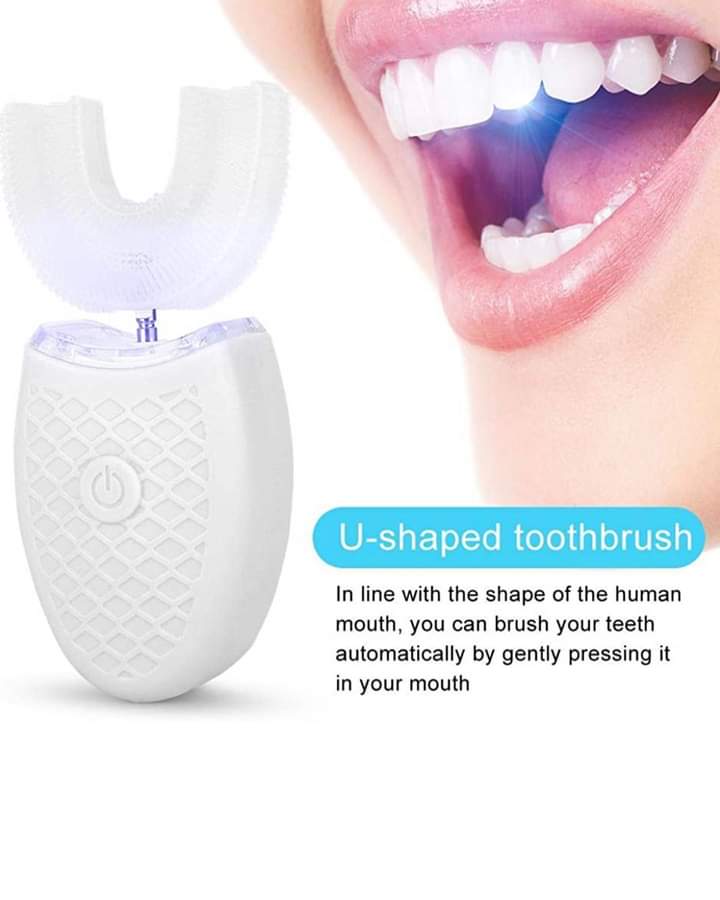
U-shaped toothbrush

1. U-shaped toothbrush, in line with the shape of the human mouth, you can brush your teeth automatically by gently pressing it in your mouth.

2. Food grade soft silicone material, it does not hurt your gums, care for teeth.

3. Powerful blue light sonic cleaning, deep cleaning, eliminate plaque and stains.

4. Four gears are optional, powerful brushing, comfortable brushing, high-frequency massage, whitening teeth, meet your different needs.

5. Charging time is less than 90 minutes, after charging, it can be used for more than one week, energy saving and eco-friendly.

Dr. Banić