
What do you think about this protective glasses for UV lights.

High quality dental care
What do you think about this protective glasses for UV lights.

Don’t forget to go to your dentist for oral cancer screening.
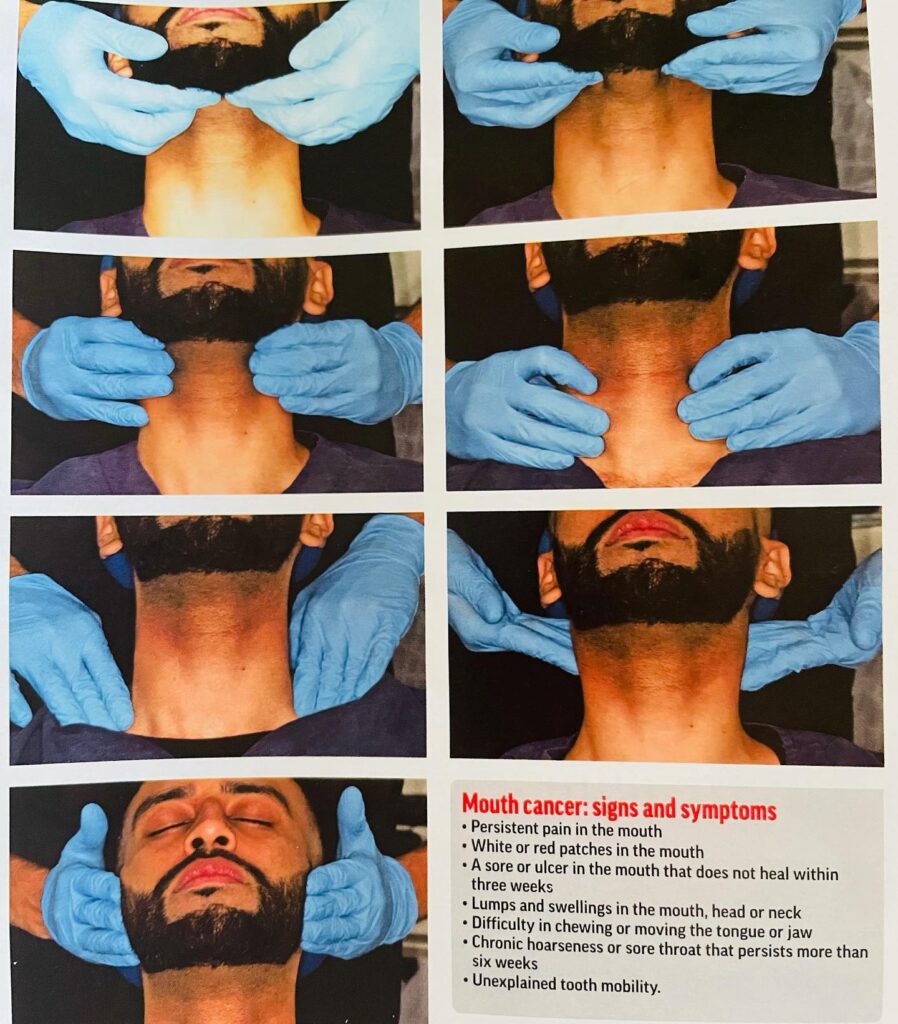
Don’t forget to ask your dentist to check for oral cancer. November is the mouth cancer action month .

Our goal should be detect cancer before our patients present with symptoms.
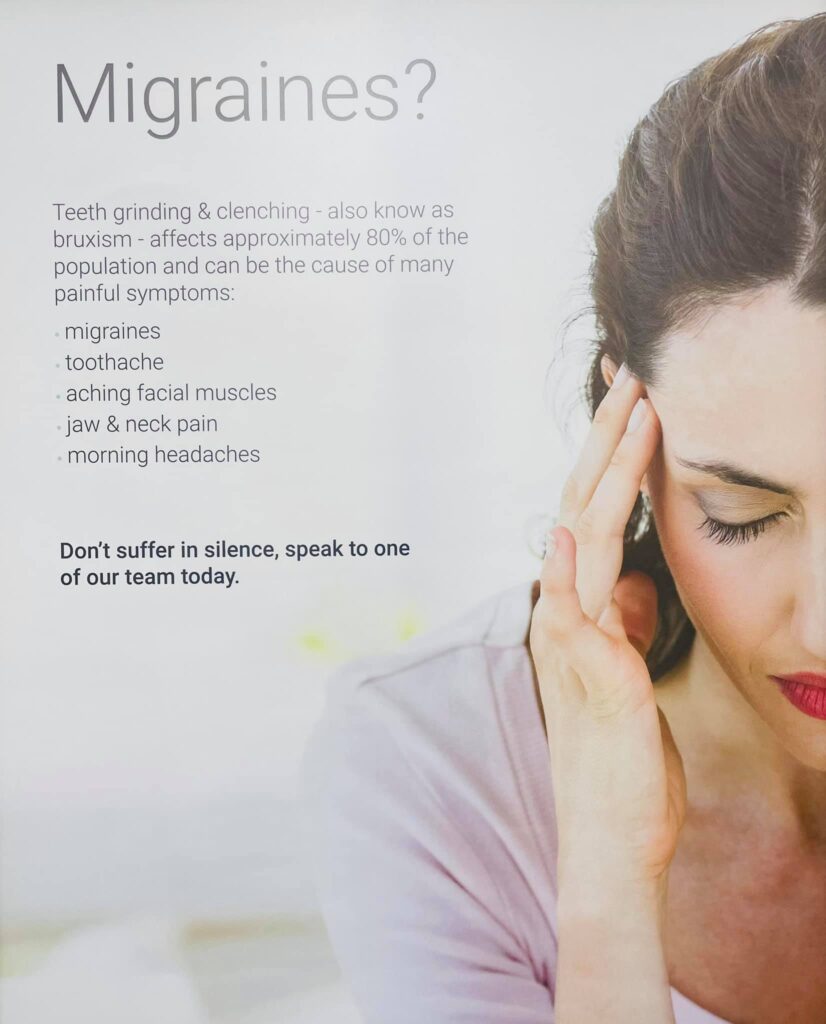
Bad bite: Loose, missing, sore, or misaligned teeth create a bad bite that forces jaw muscles to work harder to bring teeth together, swallow, and even keep the mouth closed. This can lead to persistent muscle inflammation that can trigger a migraine or headache.
Nausea, facial tingling, dizziness and sensitivity to sound and light are all symptoms that may accompany migraines. They can mess up the lifestyle of people suffering from them, causing multiple absences from work or school. Migraines may even make them vulnerable to conditions such as depression and anxiety.
Dr. Banić
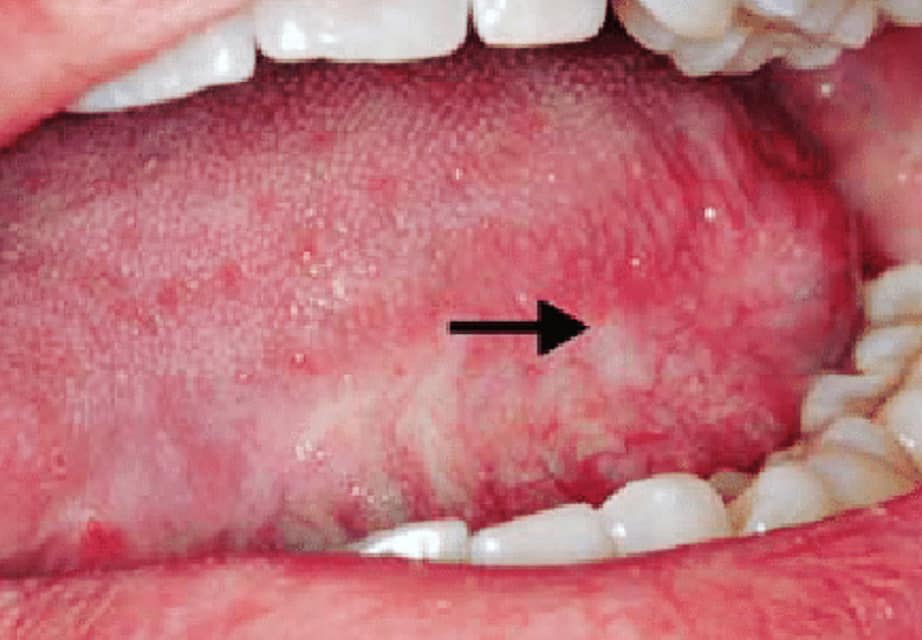
What are the early signs of tongue cancer?
1. red or red and white patches (oral leukoplakia) that appear on the lining of the mouth or the tongue;
2. sores and mouth ulcers that will not heal;
3. a sore throat or pain when swallowing;
4. a feeling that there is something lodged in the throat;
5. a painful tongue;
6. a hoarse voice.
Dr. Bnaić
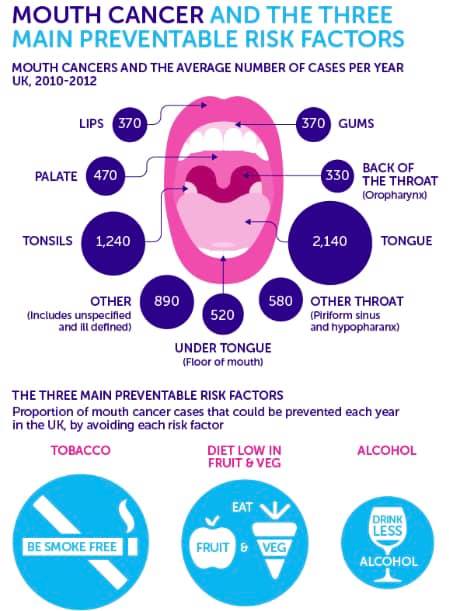
Evidence suggests that tobacco, not eating enough fruit and vegetables, and drinking alcohol all increase the risk of oral cancer.
In fact, smoking is linked to around two thirds of oral cancer cases, and not eating enough fruit and veg is linked to more than half. And alcohol is linked to just less than a third.
Dr. Banić

Squamous cell carcinoma is a common cancer of the oral cavity. The median age of presentation is 60 years and it rarely occurs in patient aged less than 30 years. We present a case of a 29-year-old male who had ulceroproliferative growth at the left lateral aspect of the tongue. He had a risk factor of tobacco limed betel nut chewing from the age of 14. After detailed investigations, squamous cell carcinoma was confirmed with a staging of cT4a N0 M0. He underwent surgery along with radiotherapy afterward
Dr. Banić


Lasers in dentistry began to gain popularity in the 1990s. Lasers in dentistry are used as a treatment tool or as an adjunct tool. By using the laser in the field of dentistry, the main goal is to overcome the disadvantages, which are currently being experienced in conventional dental treatment procedures. Many specialties in dentistry including oral surgery, implants, oral medicine, periodontics, pediatrics, and operative use the current new laser technology. The ability of lasers to provide minimally invasive procedures with less discomfort to the patient has been useful in the patient delivery system in dental practice.
Dr. Banić

Oral cancer is a pathologic process that begins by producing no symptoms, making it hard to recognize without an exam. There are many types of oral cancer, including teratoma, adenocarcinoma and melanoma. The most common form of oral cancer is malignant squamous cell carcinoma, which typically originates in the lip and mouth tissue. There are many other places in which oral cancers occur, including: the tongue, salivary glands, throat, gums, and face.
Dr. Banić