
Happy weekend my lovelies. Don’t forget to smile.
High quality dental care
Happy weekend my lovelies. Don’t forget to smile.
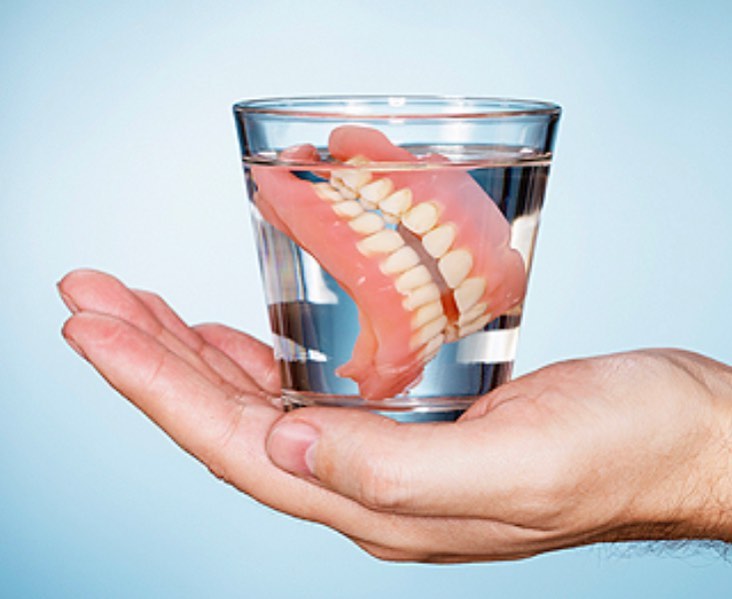
Whenever you are not wearing your partial or full dentures, it is important to always keep them submerged in water or denture solution. Otherwise, the acrylic can dry out over time and lose its shape, causing the dentures to become brittle and not fit as well.
Dr. Banić
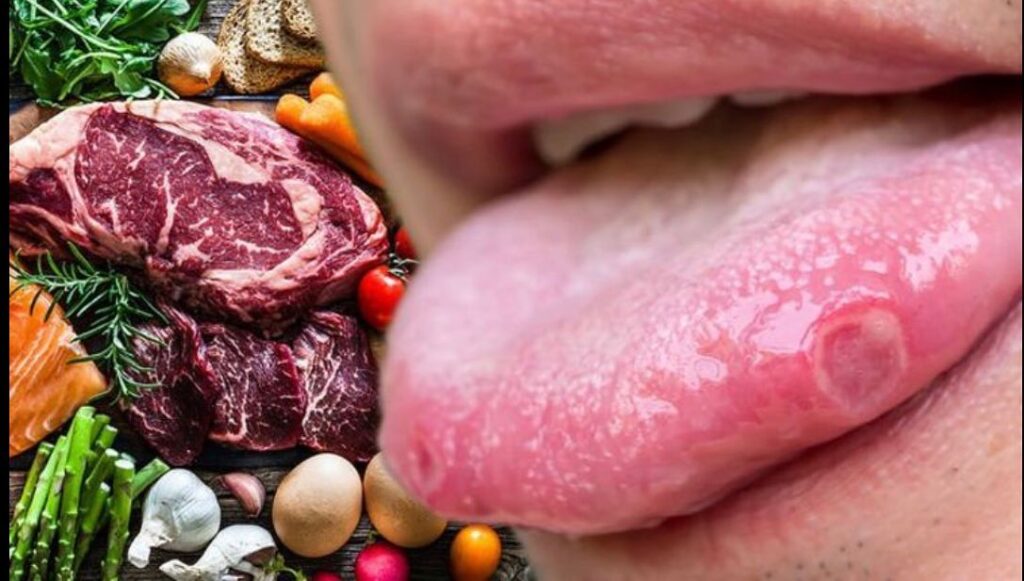
Why do vegans get mouth ulcers?
Vitamin B deficiency
If you’re getting mouth ulcers your first port of call should be to try a B complex supplement, being deficient in B12 is a common cause of ulcers. This is especially common for vegetarians, vegans or anyone who doesn’t eat a lot of red meat.
Dr. Banić

Researchers have found modest benefits from flossing in small clinical studies. For instance, an analysis of 12 well-controlled studies found that flossing plus toothbrushing reduced mild gum disease, or gingivitis, significantly better than toothbrushing alone.
Dr. Banić

Happy weekend my friends.
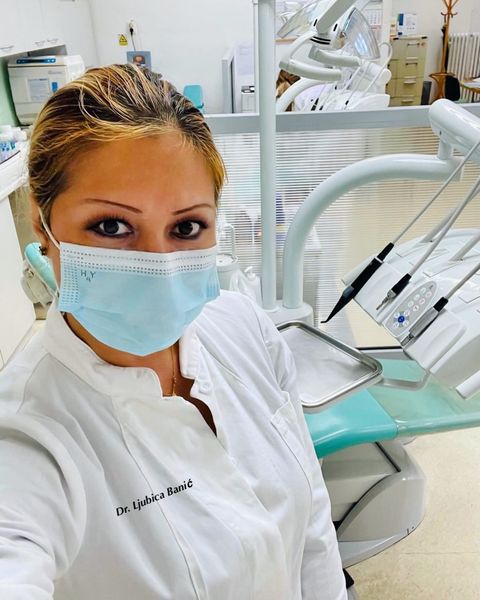
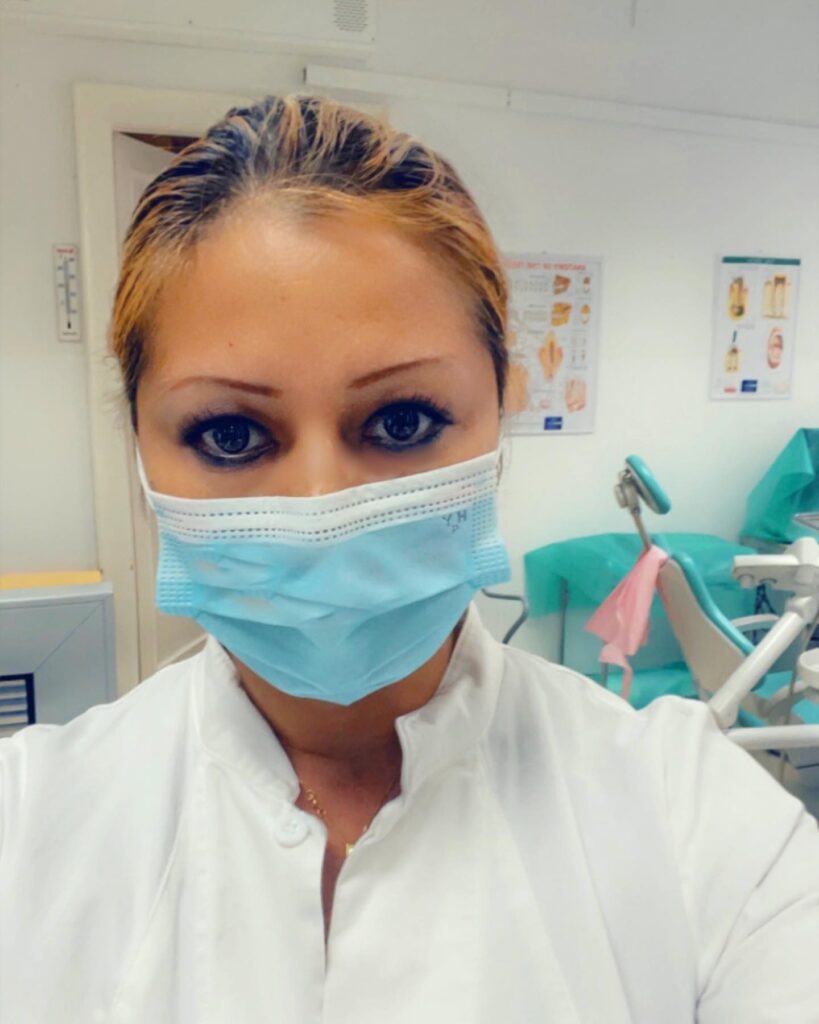
I have an early start every day. There were several days of intense work. I know people only wants to see the pretty photos but I consider dentistry is my passion equal pretty. Have a lovely day. Going to do some work.

How Long Do Dental Implants Last? With regular brushing and flossing, the implant screw itself can last a lifetime, assuming the patient receives regular dental check-ups every 6 months. The crown, however, usually only lasts about 10 to 15 years before it may need a replacement due to wear and tear.
Dr. Banić

Signs and symptoms of a tooth abscess include:
1. Severe, persistent, throbbing toothache that can radiate to the jawbone, neck or ear.
2. Sensitivity to hot and cold temperatures.
3. Sensitivity to the pressure of chewing or biting.
4. Fever.
5. Swelling in your face or cheek.
6. Tender, swollen lymph nodes under your jaw or in your neck.
Dr. Banić

By this definition, a lateral canal is also a type of accessory canal, located in the coronal or middle third of the root, usually extending horizontally from the main canal space, whilst a furcation canal is an accessory canal located in the furcation.
Dr. Banić

Just to wish you a happy weekend  .
.