


A day of guilty pleasure 💜💜💜Happy weekend.
Does chocolate affect teeth?
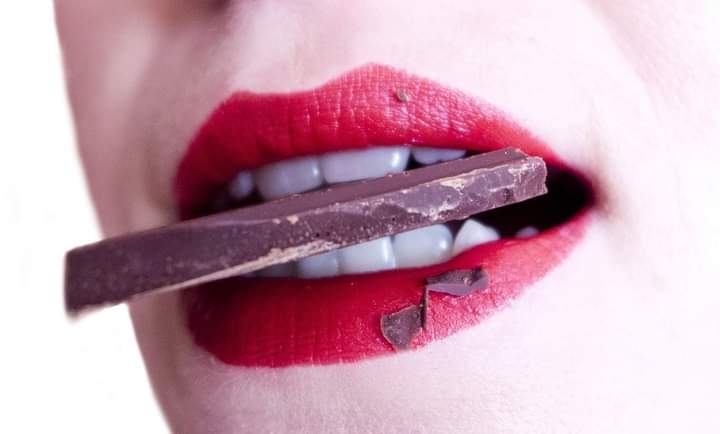
Chocolate is not, in and of itself, more harmful to your teeth than any other kind of sweet treat, such as soda, hard candy, or other sugary snacks. Consuming a lot of chocolate can result in bacterial growth and tooth decay, but this is true of all other high-sugar foods.
Dr. Banić
My new book
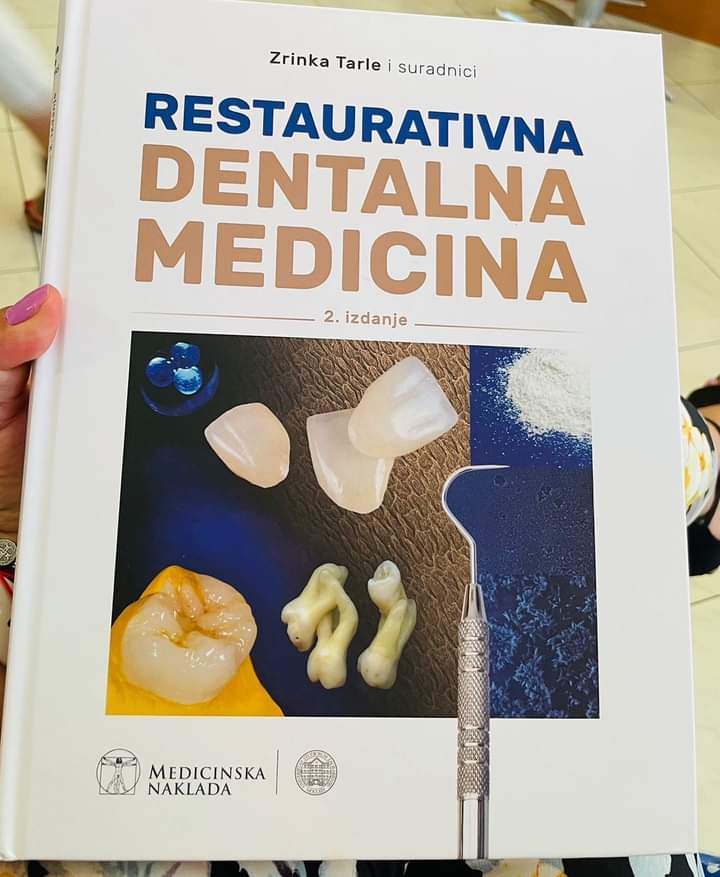
Happy with my new book .
Oral thrush
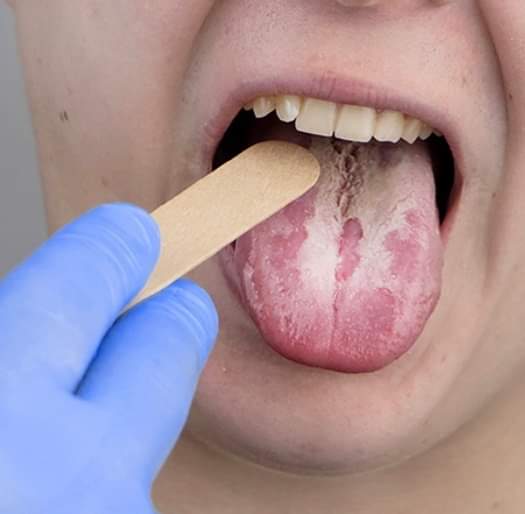
What is oral thrush?
Oral candidiasis, also known as oral thrush, is a condition in which the fungus Candida albicans grows on the lining of the mouth. Candida is a normal organism in your mouth but can overgrow and cause symptoms at times. Oral candidiasis produces creamy white lesions on the tongue or inside of the cheeks. It can also spread to the roof of your mouth, your gums, tonsils, or the back of your throat in some cases.¹ Even though oral thrush can affect anyone, it is more common in babies and older adults due to decreased immunity, in people with compromised immune systems or certain health conditions, or in people who take certain treatments. If you’re healthy, oral thrush is a minor issue; however, symptoms may be more severe and difficult to control if you have a weak immune system.
Dr. Banić
Dentistry books

Shopping day, buying just dentistry books 💐. Have a great evening.
Common local anesthetic drugs

Common local anesthetic drugs used in dentistry include lidocaine, articaine, prilocaine, mepivacaine, and bupivacaine. These drugs impart a numbing effect that lasts for 30 to 60 minutes.
Dr. Banić
Blue color

Blue is a color often found in nature such as the pale blue of a daytime sky or the rich dark blue of a deep pool of water. It is for this reason perhaps that people often describe the color blue as calm and serene. Yet as a cool color, blue can sometimes seem icy, distant, or even cold.
Future of medicine

Visiting the future of medicine. Have a happy weekend.
Salt
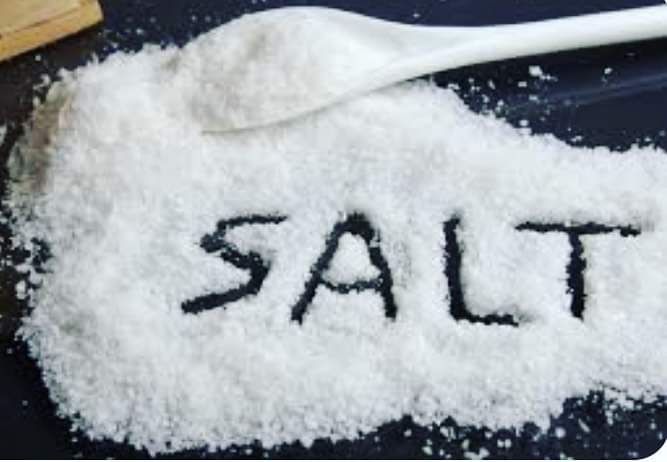
As a substance, salt is antibacterial, and as a substance, it does not damage your tooth enamel at all. In fact, using a saltwater rinse can help kill bacteria in hard-to-reach places. But the gums and soft tissues do not like salt at all.
When is hot stay hydrated

Good Monday to you. Is so hot in the city. Try to stay hydrated. I wish you a pleasant hot day.